

Stone coated roofing manufacturer documents should identify the business, describe the proposed product, and explain relevant production responsibilities. Request files that support specific purchasing decisions. A large document folder is less useful than a smaller, clearly matched evidence package.
Overseas buyers often receive catalogs, certificates, drawings, and factory photographs together. These files serve different purposes. Organizing them by decision helps your team identify what has been answered and what remains missing.
This guide explains document requests during manufacturer evaluation. It does not provide a complete destination-specific import checklist. Final product acceptance and shipment documentation require review against the actual order and market.
Request Documents According to the Decision You Need
Begin with a document request register
List the purchasing questions before requesting files. Identify the evidence that could answer each question. Name the person responsible for reviewing the response.
This approach reduces repeated requests for the same material. It also prevents an impressive certificate from distracting reviewers from an unrelated gap. Each document should have an identifiable purpose.
Record the issuing party, document reference, revision, and relevant product. Include the date received and the review outcome. Keep unresolved points visible instead of burying them in an email chain.
Organize the package into practical groups
Use a structure that colleagues can understand without attending every supplier meeting. Separate company identity from product data and manufacturing information. Keep commercial and destination requirements in their appropriate review areas.
| Document group | Typical request | Purchasing question |
|---|---|---|
| Company identity | Legal name and business identification | Who is the proposed seller? |
| Factory information | Site details and relevant process description | Where and how is production organized? |
| Product reference | Drawing, profile code, and data sheet | Which product is being proposed? |
| Supporting evidence | Applicable report or certificate | What specific claim does the document support? |
| Order control | Approval and change-record examples | How will instructions remain consistent? |
| Communication | Named review and escalation contacts | Who can resolve unanswered questions? |
These are request categories, not a universal mandatory document list. The final package depends on your purchasing scope. Confirm which files are relevant before treating omissions as failures.
Separate current evidence from illustrative examples
A supplier may provide a blank form or redacted historical record. That can help explain its document structure. It does not establish that your future order has already passed the same process.
Label examples clearly in your evaluation file. Ask which order-specific records would become available later. Avoid confusing a proposed procedure with evidence of completed work.
Establish Company and Factory Information First

Request the business identity package
Ask for the proposed seller’s full legal name and original-language details. Record its business identifier and registered address. Keep the brand name separate when it differs from the legal entity.
Compare these details with the quotation and company presentation. Request an explanation where another entity appears. Related companies or export arrangements should be described clearly.
Do not collect identity files without reviewing the connection between them. The objective is an understandable commercial relationship. A readable identity summary can be more useful than several unexplained scans.
Ask for a relevant factory profile
Request the production-site address and the operating company’s name. Ask for a description of the activities relevant to your roofing inquiry. Identify any proposed external manufacturing stages.
A factory profile should help your team plan further questions. It should not be treated as independent proof of every capacity or performance claim. Ask what information can be checked during a discussion or visit.
When reviewing JCROOF, use the manufacturing page to frame a targeted document request. Confirm which information applies to the proposed site and selected profiles. Keep the current response with your evaluation record.
Request examples that reveal responsibility
Ask for a redacted order-release form or process responsibility summary where appropriate. You are looking for the roles that confirm instructions and approve changes. Customer names and confidential prices are unnecessary for that purpose.
If a record contains unfamiliar codes, request an explanation. Ask how the code connects to a product reference or production stage. A document helps only when your reviewer can understand its meaning.
Keep these examples separate from product acceptance records. They support evaluation of the manufacturer’s working method. Later order-specific documents must reference your actual purchasing baseline.
Match Product Files and Supporting Evidence
Identify the exact profile on every technical file
Request the current drawing and product reference for each selected profile. Ask the supplier to explain its naming convention. Keep aliases or translated names in a cross-reference table.
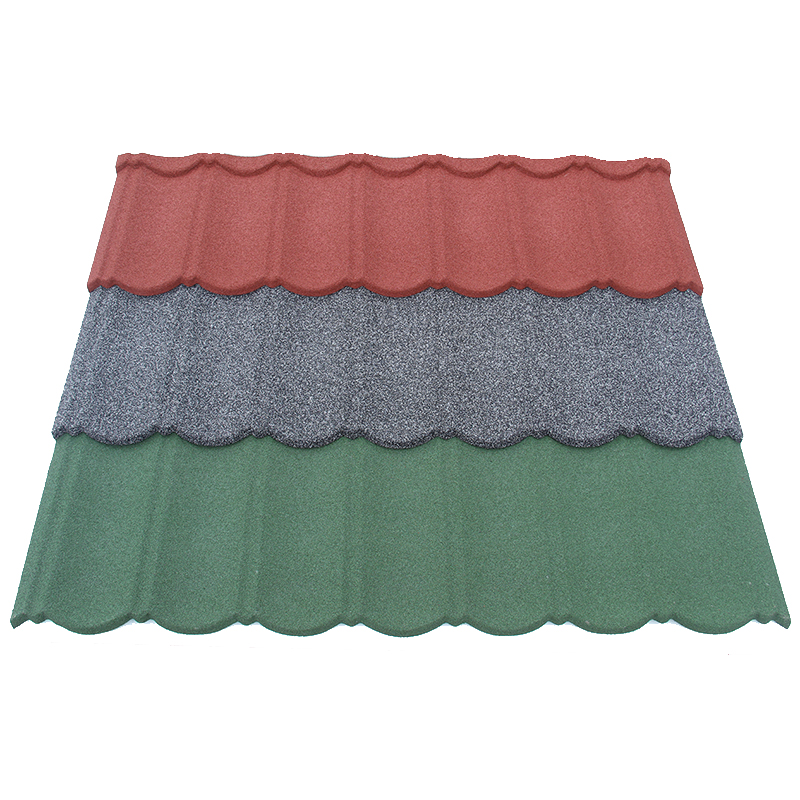
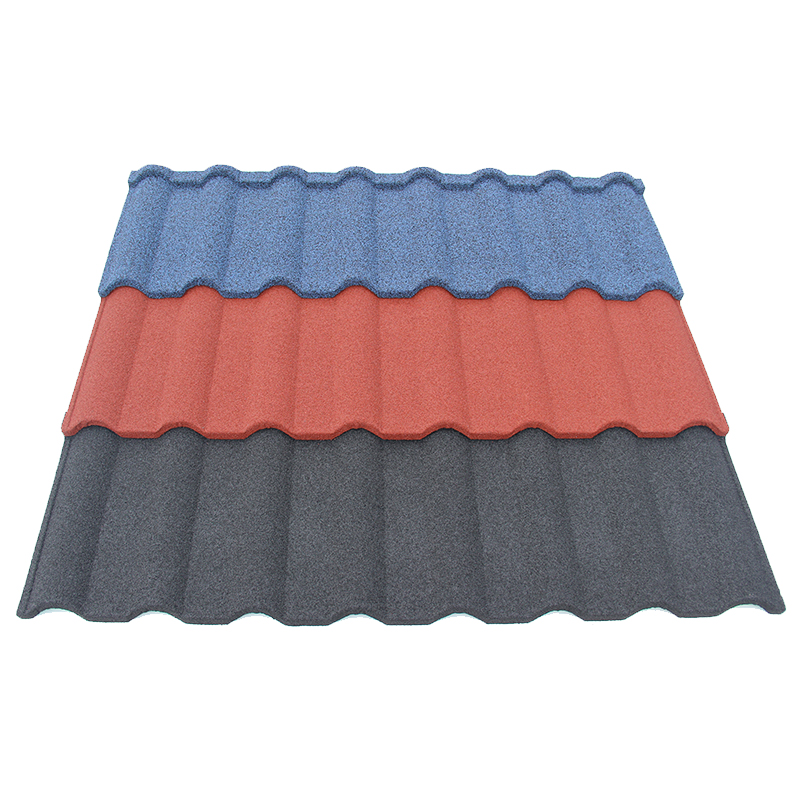
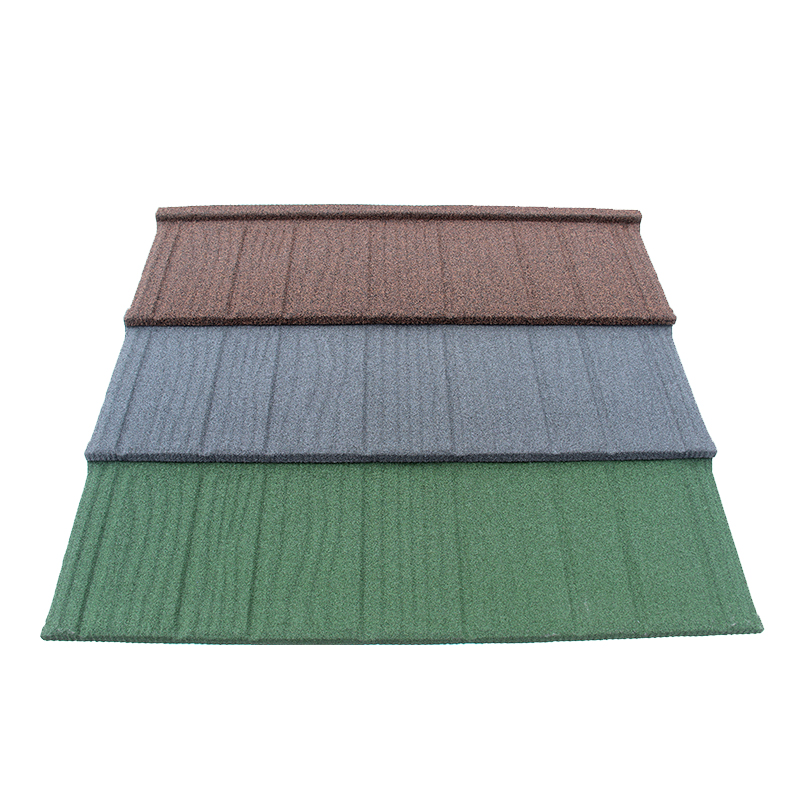
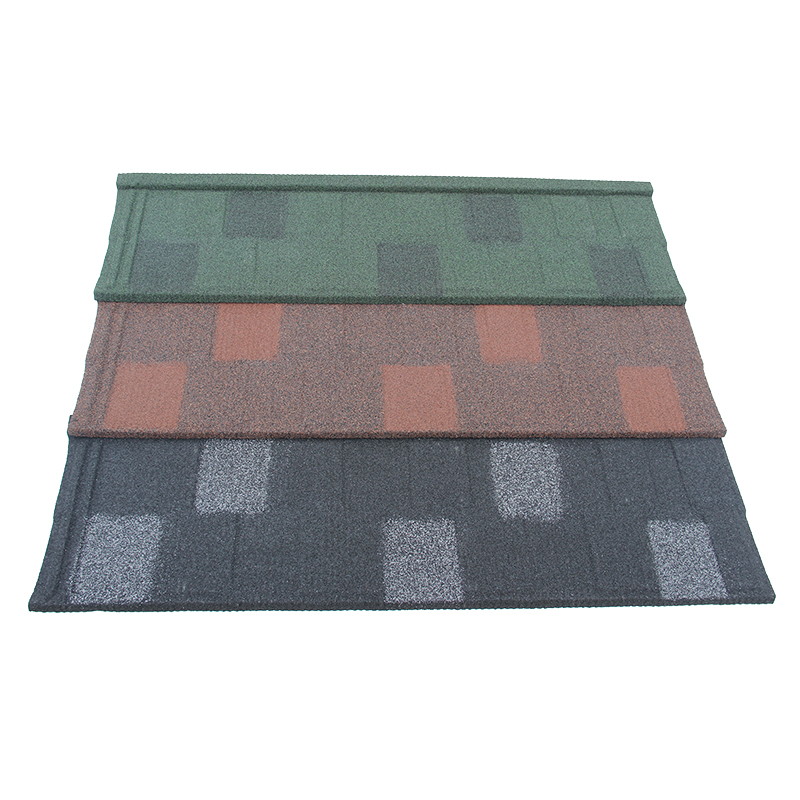
For example, Roman Tile should have an identifiable reference throughout your review. If you also evaluate Shake Tile, request its separate applicable information. One profile’s file should not silently become evidence for the other.
Ask which document controls when the catalog and drawing differ. Record the supplier’s answer before sample approval. Avoid allowing an older promotional sheet to remain the default reference.
Review specifications without assuming equivalence
A product data sheet should make the proposed item understandable. Ask the supplier to explain units, definitions, and the measurement basis where necessary. Do not compare figures that describe different conditions.
Keep the specification review focused on documented values. Missing information should become a clarification request. Do not fill gaps with figures taken from another manufacturer’s website.
If a revised sheet arrives, identify what changed. Confirm which version will support the order. Retain the earlier file so the review history remains traceable.
Read certificates and reports for their stated scope
Identify the named company, site, issuer, and document reference. Check the stated scope and relevant dates. Ask how the document relates to the proposed product.
A management-system document and a product test report answer different questions. Neither should be described as universal approval of every catalog item. Your reviewer should state the conclusion that the particular document supports.
For issuer verification, consult ISO’s certification guidance. ISO explains that external certification bodies perform certification. Use independently located issuer details when further confirmation is needed.
Keep the review proportionate to the claim. A test result applies within its documented conditions. Avoid converting it into an unrestricted promise about every roof or destination.
Understand Manufacturing and Order-Control Records

Request a process description with clear limits
Ask the manufacturer to describe the relevant production route. Identify where the product receives its reference and where instructions become approved work. Request the owner of each important decision.
You do not need confidential machine settings to understand responsibility. A simple process map may be sufficient for initial evaluation. Ask for supporting examples when the explanation remains unclear.
Distinguish the site’s normal process from arrangements proposed for your order. External operations or different sites should be explained. Keep those relationships connected to the company identity file.
Ask how material and product references connect
Request a redacted example showing how records identify an order or production batch. Ask which references can be linked across relevant stages. Do not assume a handwritten label establishes complete traceability.
The supplier should explain what the example demonstrates and what it does not. Some information may remain internal or require an order-specific request. Record those limitations rather than inferring a wider system.
At the evaluation stage, you are checking whether the record structure is understandable. Detailed traceability assessment belongs in a focused review. Keep that later task visible if it matters to your buying program.
Confirm document approval and change control
Ask who approves drawings, product descriptions, and manufacturing instructions. Determine how revised information replaces earlier versions. Identify who communicates changes to your team.
Request an example of a revision record when useful. Check whether it identifies the changed item, approval, and effective reference. Avoid relying on an informal message with no connection to the controlled document.
Agree how your future approvals will be recorded. Name the buyer contact authorized to approve changes. Clear responsibilities reduce the risk of different teams using different instructions.
Close Document Gaps Before Advancing the Supplier
Review completeness and usefulness separately
A package can contain every requested file and still leave key questions unanswered. Check whether each document relates to the intended entity, site, and product. Read the relevant sections rather than checking file names alone.
Mark outcomes as accepted for purpose, clarification required, or outside the review scope. Avoid broad approval language that hides limitations. Keep the reviewer and decision date with each outcome.
This structure helps colleagues understand what remains open. It also gives the supplier a precise request. “Clarify the product reference on this report” is more useful than “send better certificates.”
Respect confidentiality while requesting meaningful evidence
Allow the supplier to remove unrelated customer details. Ask for enough information to understand the record and its purpose. Confidentiality should not require accepting an explanation that cannot be evaluated.
If a full document cannot be shared, discuss an appropriate alternative. An issuer confirmation or controlled review may answer the question. Record what you actually inspected and the limits of access.
Do not assume refusal always proves a problem. Determine whether the proposed alternative supports your decision. If uncertainty remains material, leave the supplier conditionally approved or paused under your own process.
Keep an organized handover for the first order
Before supplier approval, identify the documents that must become order-specific. List the references that will appear in the purchasing baseline. Assign owners for obtaining and reviewing later files.
Finish with practical closing actions:
- Link company identity to the proposed seller and site.
- Match technical documents to each selected roofing profile.
- Record document revisions and their approval owners.
- Explain the scope of every supporting certificate or report.
- Carry unresolved questions into the next approval milestone.
A useful manufacturer document package supports clear decisions. It connects the business, product, and working process without overstating what any single file proves. That connection gives the first order a more understandable starting point.