


The stone coated roofing manufacturer vs trading company decision depends on control, coordination, and accountability for your order. A manufacturer may offer direct production communication. A trading company may coordinate several sources through one commercial contact.
Neither business model guarantees better products or lower total purchasing costs. Evaluate the actual seller, production arrangement, and responsibilities behind each proposal. A transparent arrangement is easier to manage than an attractive label with unclear obligations.
This comparison helps roofing importers choose an appropriate sourcing relationship. It focuses on who performs each task. Detailed price calculations, private-label development, and shipping procedures require separate evaluation.
Understand Who Makes, Sells, and Supports the Product
Manufacturing and selling are separate responsibilities
A manufacturer operates production activities. A trading company purchases or coordinates products supplied by other businesses. Actual arrangements can include related companies, export agents, and outsourced processes.
Ask the seller to describe its specific role. Determine who forms the tiles, manages surface finishing, issues the quotation, and handles your commercial agreement. Do not assume all responsibilities belong to the company displayed on a website.
Some manufacturing groups use a separate export entity. Some traders maintain close relationships with dedicated factories. These structures need clear explanations rather than automatic acceptance or rejection.
The practical question is whether you can identify the responsible parties. Your purchasing team should know who can approve a technical change. It should also know who will respond when delivered goods differ from the agreed scope.
Avoid relying on business labels alone
“Factory direct” describes a claimed relationship, not a complete purchasing arrangement. Ask which legal entity will contract with you. Then identify the production site proposed for your selected products.
Likewise, “one-stop supplier” does not explain how multiple factories are controlled. Ask whether the seller discloses manufacturing changes. Determine how product references remain consistent when different sources are involved.
A business can provide useful coordination without owning every production machine. The evaluation should expose those responsibilities clearly. Reject uncertainty about the arrangement rather than rejecting a business model on principle.
Map the actual supply relationship
Draw a short chain showing buyer, seller, manufacturer, and any coordination agent. Add the owner of each approval decision. Request written clarification wherever two parties share responsibility.
Keep this map with the purchasing brief. Update it if the proposed seller or production site changes. A clear relationship map prevents later conversations from depending on different assumptions.
Compare the Work Each Route Requires From Your Team

Direct production access can help technical coordination
A direct manufacturing relationship can shorten discussions when the relevant production team participates. Ask whether technical questions reach that team. A sales contact’s proximity to a factory does not prove technical authority.
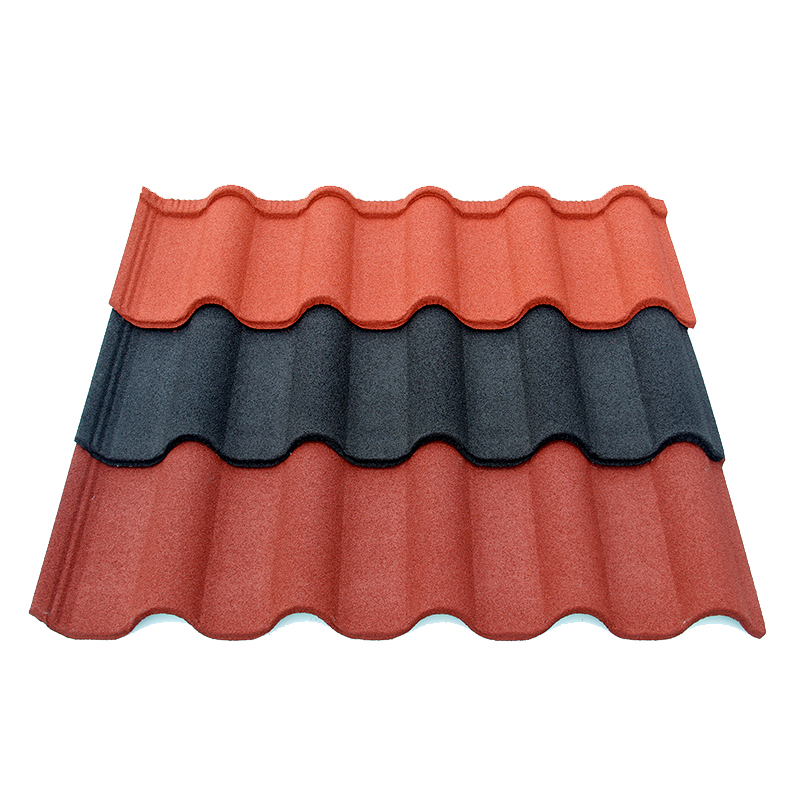
Use a practical example from your proposed order. If you are considering Roman Tile, ask who confirms the applicable drawing and product reference. Record how the answer reaches your approval contact.
For a second profile, such as Milano Tile, repeat the identification exercise. Do not extend one profile’s approval to another without confirmation. Similar commercial descriptions can conceal different supporting documents.
Direct access becomes useful when it produces clear, reviewable answers. It offers less value when every question still moves through an unexplained chain. Assess the working process rather than the number of people copied into an email.
A trader may reduce coordination across several sources
An importer buying different building products may prefer a single coordinating seller. That arrangement can simplify communication if responsibilities remain clear. Ask which activities the trader performs directly and which require another party’s approval.
Review how the trader identifies each manufacturing source. Determine who checks that the current product matches the agreed reference. Ask how the seller records substitutions or changes in the supply arrangement.
Do not assume that coordination removes your technical review obligations. Your team still needs an understandable product scope. A combined commercial offer can contain several products with different evidence packages.
Consider your internal resources
A buyer with technical staff may prefer direct access to production discussions. A smaller purchasing team may value structured coordination. Neither preference should override the need for a clearly identified seller and product.
Ask how much follow-up each route requires. Consider translation, document consolidation, revision tracking, and meeting coordination. These tasks consume time even when they do not appear as separate invoice items.
Use the Same Comparison Criteria for Both Models
Build a responsibility comparison
Ask both candidates to complete the same responsibility table. Request named roles instead of broad assurances. Mark any answer that depends on another business’s approval.
| Purchasing activity | Question for a manufacturer | Question for a trading company |
|---|---|---|
| Product clarification | Who confirms the production reference? | Who obtains confirmation from the factory? |
| Production changes | Who authorizes and records changes? | How does factory approval reach the buyer? |
| Document control | Who issues current technical information? | How are source documents checked and retained? |
| Order progress | Who reports the manufacturing milestones? | How is factory progress independently followed? |
| Problem resolution | Who investigates the production issue? | Who coordinates investigation and commercial response? |
The table helps reveal gaps before an order. It does not establish that either model performs the task well. Ask for a relevant example where the answer remains unclear.
Compare equivalent purchasing scopes
Request quotations against the same product description and included items. Confirm which services are included in each proposal. Avoid concluding that a trader adds unnecessary cost when the scopes differ.
Similarly, do not assume the direct factory quotation covers every coordination activity. Identify tasks your own team must perform. Keep material pricing separate from the wider comparison of purchasing effort.
No universal discount proves the better route. The useful comparison concerns documented scope, responsibilities, and the work required to reach an approved order. Unsupported savings percentages should not decide your supplier model.
Test how information moves
Send a clarification that requires checking a drawing or production record. Ask both candidates to identify the person confirming the answer. Compare whether the final reply cites a consistent reference.
Watch for information that changes between conversations. Ask the candidate to reconcile the difference rather than choosing whichever reply sounds more convenient. Clear correction is more useful than repeated reassurance.
This exercise also shows how the business handles uncertainty. A transparent “awaiting production confirmation” can be a reasonable response. An unexplained promise leaves your team unable to assess the basis.
Examine Accountability Before Choosing a Route

Know which party accepts the order
Identify the company shown on the quotation and proposed agreement. Ask who is responsible for the product description and approval process. Keep this commercial responsibility distinct from ownership of the production equipment.
If another entity appears in later documents, request an explanation before proceeding. Related companies may have legitimate roles. Those roles should remain understandable to your purchasing and finance teams.
Avoid treating a factory visit as a substitute for this review. Seeing production does not establish which party accepts your order. The relationship needs a consistent written explanation.
Ask how changes are disclosed
Find out whether a different production site can be used. Ask who must approve that change. Determine whether the seller will notify you before modifying an agreed product reference.
The same questions apply to manufacturers using external operations. A direct relationship can still involve subcontracting. Transparency matters at each relevant stage, regardless of the seller’s preferred label.
Record the agreed notification and approval route. Keep it accessible to the people reviewing later revisions. A clear rule reduces ambiguity when the original purchasing contact is unavailable.
Review the route for investigating problems
Ask where a product concern should be reported. Identify who gathers manufacturing information and who provides the commercial response. Request the information normally needed to investigate a concern.
Do not seek an unconditional promise that every issue will disappear. Ask for a workable process with clear responsibilities. Your receiving team should know how to preserve product identification and relevant records.
When assessing JCROOF, connect the manufacturing information to your proposed seller and production scope. Ask these same accountability questions during the discussion. The objective is an arrangement your team can manage clearly.
Match the Sourcing Model to Your Order
When direct manufacturing may fit
Direct sourcing may suit a buyer focused on a defined roofing range. It can support detailed communication when production contacts participate. Confirm that the business can provide the coordination your team actually needs.
This route may require more involvement from your purchasing staff. Prepare to manage revisions, follow up on technical answers, and organize approvals. Direct access creates opportunities, but your team must use them effectively.
Choose the arrangement only after confirming its practical responsibilities. A manufacturer should not receive automatic approval because it owns equipment. Product fit and clear communication still require review.
When a trading relationship may fit
A trading relationship may suit buyers coordinating several product categories or manufacturing sources. It can be useful when the seller maintains clear references and transparent factory communication. Confirm those practices through specific examples.
Ask whether the additional coordination addresses a real gap in your team. Determine what remains your responsibility. A single contact is useful only when that contact can obtain dependable answers.
Do not approve an unexplained source merely for convenience. You should still understand who makes the roofing and who accepts responsibility. Convenience and transparency should work together.
Make the choice through responsibilities
List the tasks your order requires and assign an owner for each. Compare both proposals against that list. Resolve missing ownership before advancing either supplier.
The better choice is the arrangement that fits your buying operation with fewer unresolved questions. Keep the responsibility map, product references, and approval decisions together. Those records make the chosen relationship easier to manage throughout the order.