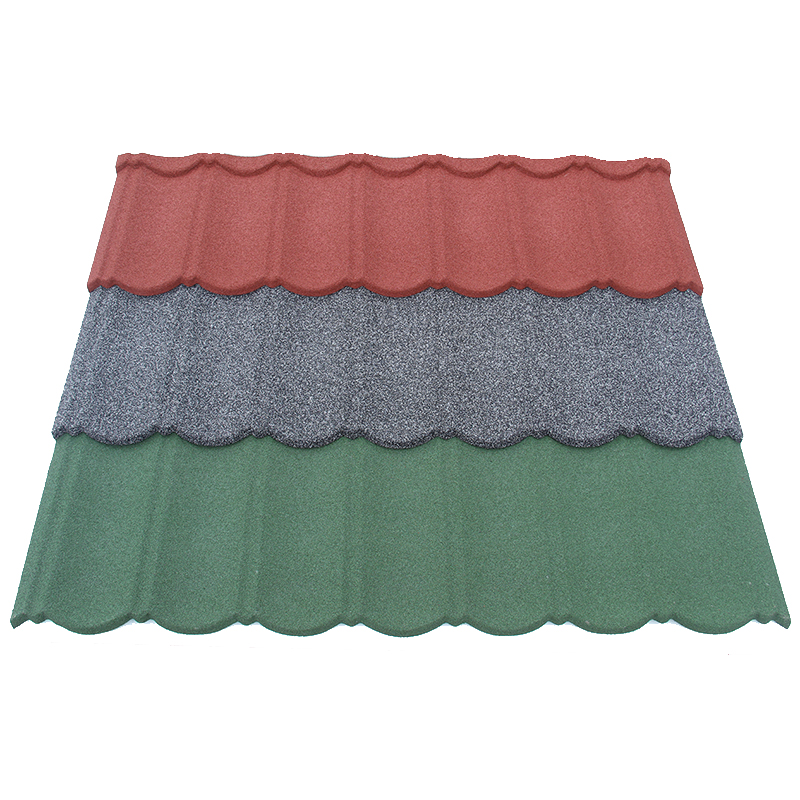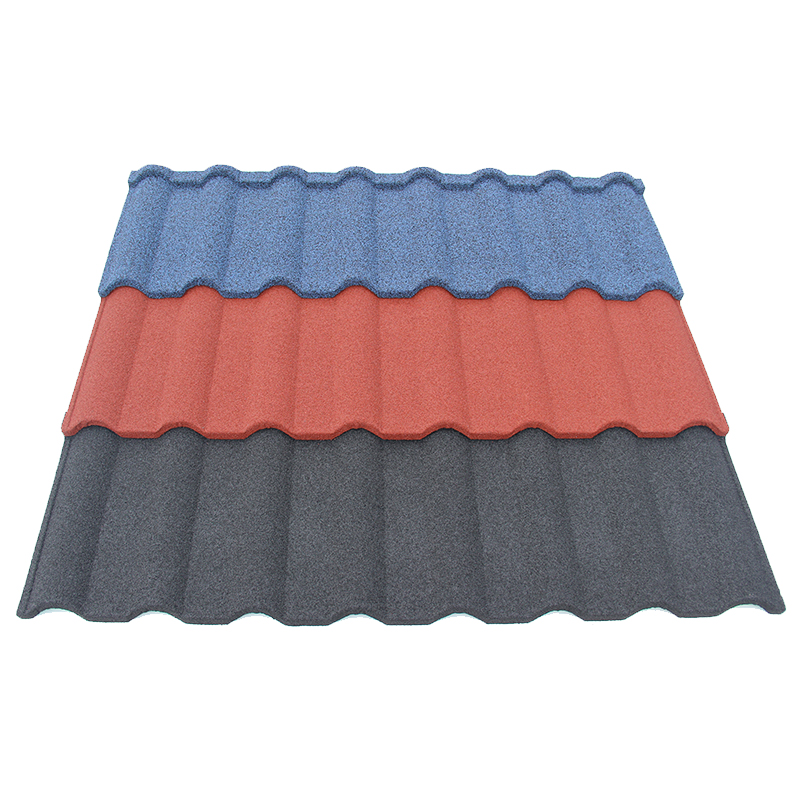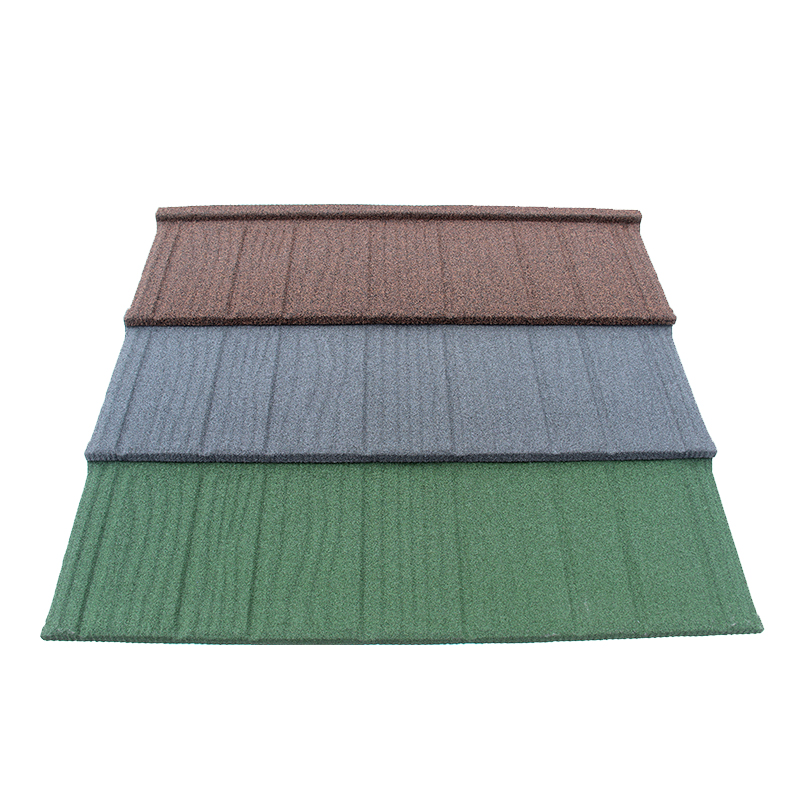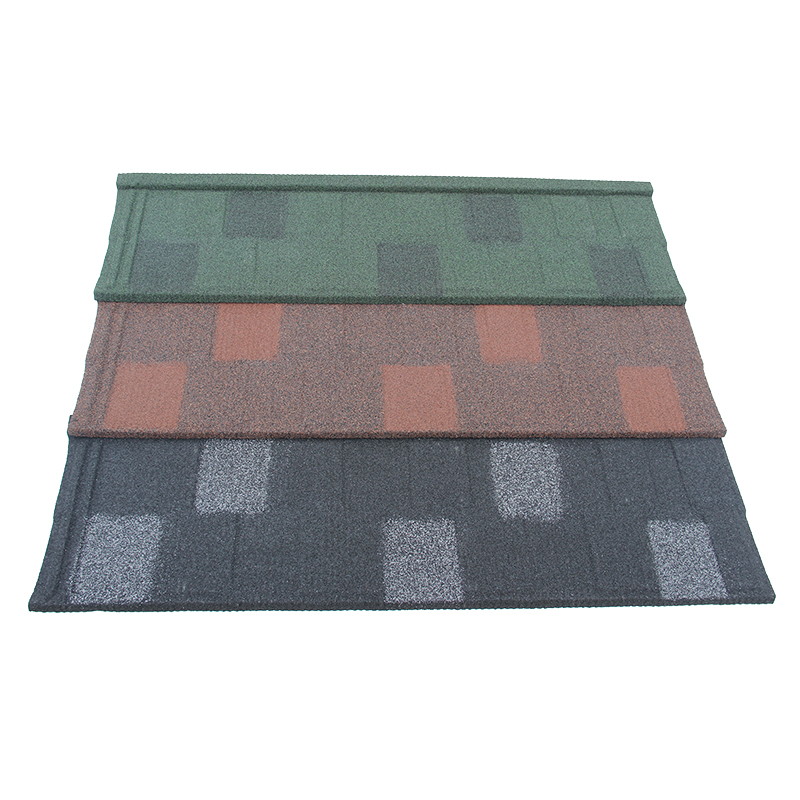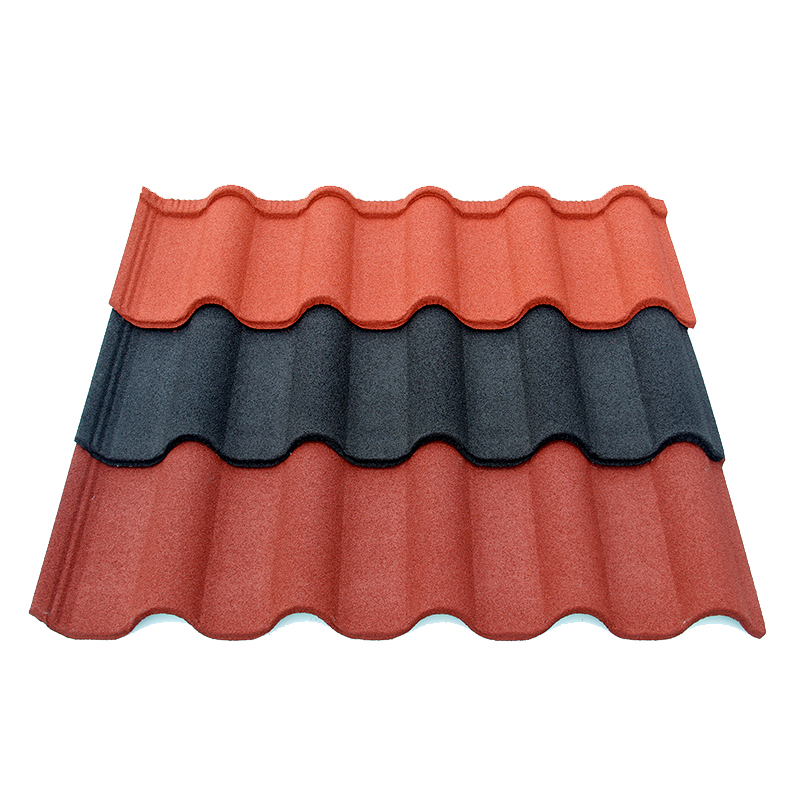



Knowing how to choose a stone coated metal roofing manufacturer starts with matching evidence to your purchasing requirements. Verify the business, identify the production site, and confirm responsibility before comparing promises. Then assess whether the supplier can support your specific roof tile order.
For importers, the decision extends beyond attractive samples. Your team needs a supplier who can explain production, maintain agreed records, and resolve questions consistently. A low quotation cannot answer those questions alone.
This checklist focuses on manufacturer selection. Detailed material specifications, freight calculations, and private-label development belong in separate purchasing discussions. Here, the objective is a defensible shortlist and a clear approval decision.
Start With a Purchasing Brief Before Reviewing Factories
Define the order the manufacturer must support
Write a short purchasing brief before requesting company presentations. Include the destination market, intended sales channel, preferred profiles, and expected ordering pattern. State whether you need project supply, distributor replenishment, or an initial market evaluation.
These differences change the questions worth asking. A project buyer may prioritize document coordination with the designer. A distributor may need clear product identification across repeat orders. Neither requirement proves that one factory suits every buyer.
Name the people responsible for commercial, technical, and receiving decisions. Otherwise, suppliers may receive conflicting instructions from different departments. Keep unanswered questions visible instead of allowing assumptions to become purchase conditions.
Use products to define the discussion
Identify the actual profile rather than requesting a generic metal roof tile. For example, a Bond Tile inquiry should identify that product throughout the evaluation. Include its current drawing or reference code when available.
If your range also includes Shingle Tile, assess that profile separately. A shared supplier does not establish identical dimensions, accessories, or supporting documents. Ask which information applies to each selected product.
Avoid defining acceptance through photographs alone. Images help communicate appearance, but they cannot establish a complete purchasing specification. Record the supplier’s interpretation and resolve differences before selecting a preferred factory.
Separate essential requirements from preferences
Create two lists: conditions required for approval and features that improve convenience. Transparent company identity may be essential. A particular presentation format may simply be preferred.
This distinction prevents polished marketing from outweighing unresolved business questions. It also helps a capable supplier understand what must improve. Explain the decision criteria before requesting another round of documents.
Check Identity and Manufacturing Responsibility
Connect the seller to the production site
Ask for the seller’s legal name and the factory’s operating name. Request the production address separately from the registered office address. Different addresses require explanation, but they do not automatically indicate misconduct.
Ask who operates the forming and coating activities relevant to your order. Establish whether production is internal, outsourced, or shared with another business. Record the answer without assuming that every operation must occupy one building.
Your purchasing file should connect the website, quotation, company information, and proposed contracting party. When names differ, request a written explanation of their relationship. Do not treat a familiar logo as sufficient identification.
Ask questions that require specific answers
Use a live discussion to follow the proposed production route. Ask who releases an order, which team answers technical questions, and how finished products receive identification. Request an example with sensitive customer details removed.
A useful answer describes responsibilities and records. Repeated slogans do not show how the factory handles an actual order. However, a short conversation cannot establish the complete condition of a business.
Use the discussion to decide what independent checks remain necessary. Keep identity verification separate from product acceptance. A real factory can still supply a product that does not match your requirements.
Review first-party information critically
When reviewing JCROOF, use the manufacturing page as a starting point for specific questions. Ask which site, activities, and records would apply to your proposed order. Treat the same questions consistently across your shortlist.
Website information supports an initial conversation. It should not replace current order-specific confirmation. Save the information reviewed and record the date of the discussion.
Evaluate Evidence Behind the Supplier’s Answers
Match each claim to an appropriate record
Choose evidence according to the question being answered. A company document helps establish identity. A product drawing describes a particular item. A production record helps explain how an order was handled.
One document should not carry every conclusion. A management certificate does not identify every product in the catalog. A photograph of machinery does not establish the factory’s available production slot.
Use a simple evidence register during supplier review:
| Selection question | Useful evidence | Decision to record |
|---|---|---|
| Who will sell the goods? | Company identity and quotation details | Contracting party confirmed |
| Where will production occur? | Site address and current site discussion | Production route explained |
| Which product is proposed? | Profile reference and current drawing | Product identity aligned |
| Who controls changes? | Named approval owner and example record | Approval route understood |
| Who handles problems? | Written contact and escalation procedure | Responsibility assigned |
The table organizes review; it does not certify a supplier. Mark missing information as unresolved. Give each question an owner and a date for clarification.
Follow one product through the conversation
Select a profile from your proposed range. Ask the supplier to connect its reference code, drawing, sample label, and production description. Consistent identification makes later discussions easier to verify.
If the names change between documents, request a cross-reference. Do not assume similar-looking tiles are interchangeable. Keep the agreed reference visible in every subsequent request.
This exercise tests communication without requiring confidential customer files. A redacted example can demonstrate document structure. The important point is whether the explanation remains coherent across departments.
Keep sample approval within its limits
Samples can help assess appearance and discuss product details. They do not prove future delivery performance or establish every production condition. Ask how an accepted sample would remain connected to the eventual order.
Record sample identification, review date, and unresolved observations. Avoid approving an unnamed sample through an informal message. Your receiving team should understand exactly which reference the purchasing team accepted.
Compare Operating Fit Without Rewarding Unsupported Promises

Test communication through a small request
Send each shortlisted manufacturer the same technical question. Ask for the applicable document revision and the person responsible for confirming it. Compare completeness, clarity, and consistency rather than response speed alone.
A fast reply can still leave the central question unanswered. Conversely, a documented clarification may require coordination with production. Ask when a complete answer will be available and evaluate whether that commitment is maintained.
Notice how the supplier handles uncertainty. Clear limitations help your team plan the next check. Unsupported reassurance creates work for the buyer later.
Discuss production availability carefully
Ask about the route from order approval to production release. Identify information that must be confirmed before scheduling can begin. Separate a general capacity statement from the availability proposed for your order.
Do not calculate dependable output from a machine photograph. Ask how current commitments, profile changes, and material readiness affect the proposed plan. Request milestones rather than an unexplained delivery promise.
Keep this review focused on manufacturing coordination. Freight bookings and destination handling need their own planning. Combining every stage into one vague deadline makes responsibility harder to understand.
Understand the support after approval
Ask who receives questions after production starts. Identify the contact responsible for technical clarification and the contact responsible for commercial decisions. Request an escalation route if the usual contact becomes unavailable.
For a distributor, ask how repeat orders reference earlier approvals. For a project buyer, ask how revisions reach the relevant teams. These questions reveal whether the communication model fits your business.
Avoid scoring promises that have no supporting process. Record what the supplier has demonstrated and what remains conditional. This creates a more useful comparison than counting promotional claims.
Make a Documented Selection Decision
Use approval gates before a final ranking
Check essential conditions first. Unresolved identity, unexplained production responsibility, or inconsistent product identification should remain open issues. A strong score elsewhere should not conceal them.
Only compare convenience factors after the essential questions have acceptable answers. Examples include document organization, meeting availability, and coordination quality. Keep your scoring method simple enough for another reviewer to understand.
Document why a supplier advances, remains conditional, or leaves the shortlist. Include the evidence reviewed and the person making the decision. This record helps when colleagues revisit the selection later.
Turn remaining gaps into clear actions
For each unresolved item, state the exact question. Name the evidence required and the person responsible for reviewing it. Avoid requests such as “send more information” without explaining the decision it must support.
Use practical closing actions:
- Confirm the seller and proposed production site.
- Align product references across drawings, samples, and quotations.
- Assign owners for technical decisions and changes.
- Record unresolved questions before approving the supplier.
- Retain the selection record for the first order review.
These actions support an informed purchasing decision. They do not remove the need for product review or independent checks where appropriate. Supplier selection begins a working relationship; it does not finish every approval.
Choose the manufacturer you can evaluate clearly
The strongest shortlist contains suppliers whose responsibilities and evidence your team can understand. Their answers should connect the proposed product, production route, and approval process. That connection matters more than a persuasive factory presentation.
Finish with a written purchasing baseline. Identify the chosen supplier, agreed scope, remaining conditions, and next approval milestone. This gives both sides a clear starting point for the order.