


To verify stone coated roofing supplier identity, connect the legal business, production site, and proposed seller through consistent records. Check the relationship independently where possible. Ask for explanations whenever names, addresses, or responsibilities differ.
The objective is a clear identity chain. You need to understand who operates the factory and who will accept your order. Attractive roof photographs and familiar sales contacts cannot establish that chain alone.
This guide covers company and factory identity verification. It does not replace product evaluation, an on-site audit, or professional advice for a particular transaction. Those activities answer different questions after you identify the parties involved.
Build an Identity File From Consistent Business Details
Request the legal name and local-language details
Start with the company’s full legal name. Ask for its original-language name, business identification details, and registered address. Keep the trading name or export brand in a separate field.
An English website name may differ from the legal entity. That difference requires a documented connection. Ask the supplier to explain which name appears on quotations and subsequent commercial documents.
Avoid matching companies through approximate translations alone. Similar English names can make unrelated businesses appear connected. Preserve original-language details so an independent reviewer can compare the intended entity.
Record the source and date of each detail. Keep the original file rather than relying only on a screenshot in a message. A basic identity file makes later checks more reliable.
Distinguish registered, office, and production addresses
Ask the supplier to label each address by function. A registered office, sales office, warehouse, and factory can occupy different locations. Do not assume that every address must match exactly.
The question is whether the explanation remains consistent. Ask which address hosts the production activities proposed for your order. If another business operates the site, identify that business and its relationship to the seller.
Use public information and independent checks to investigate material differences. Address formatting variations may be minor. An unexplained change of city or operating company deserves a clear response before approval.
Create a simple identity register
Keep one register for the candidate supplier. Avoid spreading critical identity details across several informal conversations. Share the same version with purchasing and finance.
| Identity item | What to record | What needs clarification |
|---|---|---|
| Legal entity | Original-language name and business identifier | Unexplained alternate names |
| Commercial name | Brand and website relationship | Brand ownership or authorized use |
| Registered location | Address shown in company information | Material inconsistencies |
| Production site | Operating name and manufacturing address | Undisclosed external production |
| Proposed seller | Entity shown on the quotation | Changes between documents |
Treat the register as a working record. Update it when a clarification changes your understanding. Keep earlier versions so reviewers can follow the decision.
Connect the Claimed Factory to the Proposed Product

Ask for a product-specific site explanation
Do not ask only whether the business owns a factory. Ask where the proposed roof tile will be made. Identify which company operates the relevant production activities.
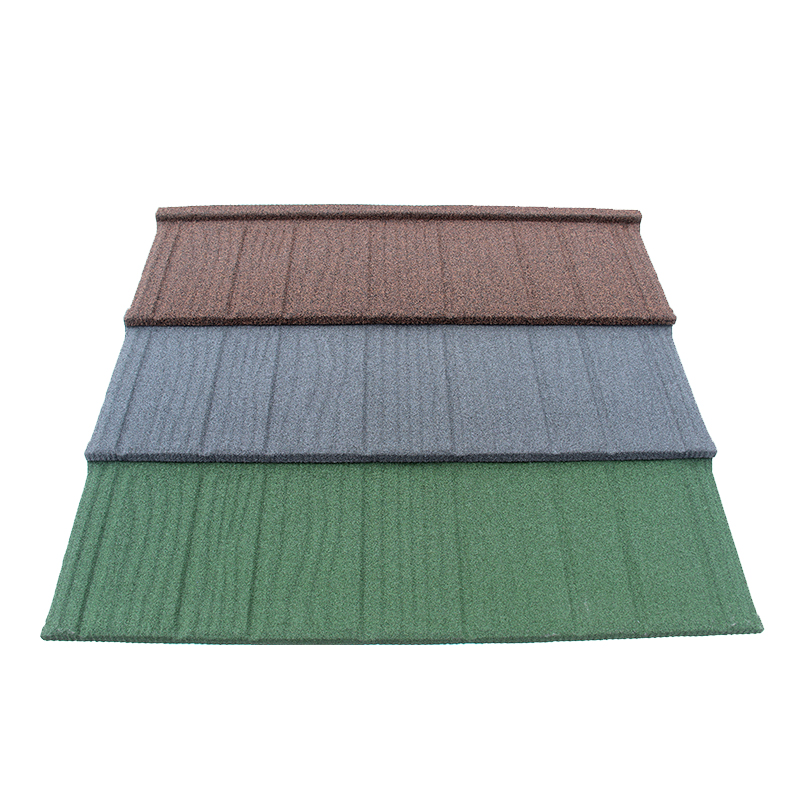
Use one named profile to keep the discussion concrete. For a Shake Tile inquiry, request the supplier’s corresponding product reference. Ask how that reference connects to the proposed manufacturing site.
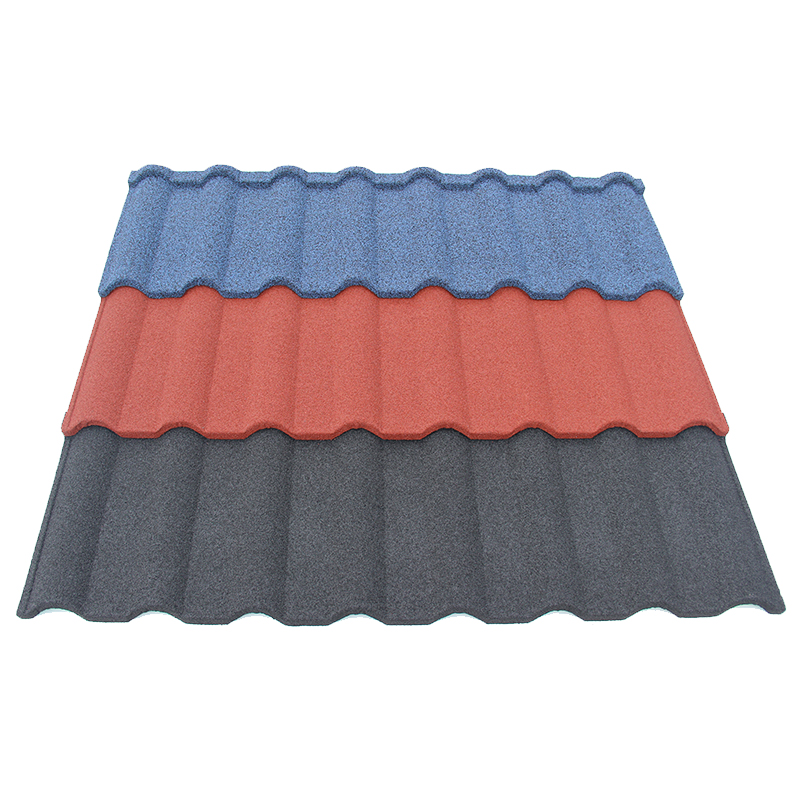
If your inquiry includes Bond Tile, confirm its production arrangement separately. A factory may handle several profiles, but that should be established rather than assumed. Keep the answer within the actual inquiry scope.
A specific product question is harder to answer with a generic company presentation. It helps distinguish broad marketing material from information relevant to your order. Record any operations performed by another company.
Use a live walkthrough as one supporting check
Request a live discussion from the proposed production location when appropriate. Agree on the route and the questions beforehand. Ask the host to explain site identification and relevant work areas.
Follow the connection between the company, location, and product. Ask for clarification when a signboard or document displays a different business name. Do not demand access to confidential customer details or unsafe production areas.
A live walkthrough can support verification. It cannot prove legal ownership, complete operating capacity, or every activity outside the camera view. Use it alongside the identity file and other checks.
Distinguish access from operational responsibility
Someone conducting a factory tour may be an employee, agent, or visitor. Ask who operates the site and who authorizes production decisions. Access to machinery does not establish the seller’s role by itself.
Request an explanation of how the sales contact coordinates with production. Identify a technical contact for follow-up questions. Check whether the explanation remains consistent across conversations.
When reviewing JCROOF, connect the published manufacturing information with current company and site details. Ask which entity and location apply to your inquiry. Keep those confirmations with your supplier file.
Cross-Check Information Through Independent Channels
Use official sources for company identity where available
Compare the supplied legal details with the relevant official business registry where accessible. Search the original-language name or business identifier. Check that the record belongs to the intended entity.
Access conditions and available information vary by jurisdiction. If you cannot complete the check, record that limitation. Consider a qualified local service provider when the uncertainty affects an important decision.
Do not treat a directory listing as an official registration record. Directories can help discover a company, but their information may be submitted by the business. Identify the source behind each conclusion.
Contact document issuers through independently located details
If a supplier presents a certificate or report as identity evidence, identify its issuer. Locate that issuer’s contact information independently. Avoid relying only on a link supplied inside an unfamiliar document.
Ask whether the named entity and site match the document. Do not assume the document covers your proposed product. Document scope and product suitability need separate review.
The result may require follow-up rather than an immediate yes or no. Record the issuer’s response and any limitations. Preserve the original document number and version in your file.
Treat reviews and references as supporting information
Buyer references can help you understand communication and operating experience. Request permission before contacting a reference. Ask specific questions relevant to the proposed supply relationship.
References are selected examples, not a complete performance history. A positive conversation should not override unresolved identity details. Likewise, a missing public review does not establish that a company is unreliable.
Record what the reference actually confirmed. Avoid converting a general endorsement into proof of production ownership. Keep each conclusion within the evidence available.
Resolve Differences Before Commercial Approval

Classify discrepancies instead of guessing
Some differences result from formatting, translation, or separate office functions. Others concern a different legal entity or production site. Ask the supplier to explain the discrepancy before deciding its significance.
Use a structured clarification request. State the conflicting details, their sources, and the question they create. Ask for a written explanation supported by relevant records.
Do not silently replace earlier information with a new answer. Preserve the correction and record why you accepted it. This prevents a later reviewer from repeating the same uncertainty.
Understand related-company and agent arrangements
A group company may manufacture while another entity handles exports. An agent may coordinate discussions without becoming the seller. These arrangements should be described clearly in the purchasing file.
Ask who signs the proposed agreement and who controls manufacturing instructions. Identify who is responsible for technical documents and subsequent product questions. Keep those roles distinct even when the companies share a brand.
An explained structure can be evaluated. An arrangement that changes without explanation remains unresolved. Escalate material uncertainty through your organization’s supplier approval process.
Review payment instructions separately with finance
Ask finance to compare payment instructions with the approved seller details. Any difference should trigger clarification through your established controls. Do not treat a changed instruction as routine because it arrives in an existing conversation.
Use an independently established contact route to confirm unexpected changes. Keep the confirmation with the transaction record. This is a coordination precaution, not a substitute for your finance procedures.
Identity verification supports the commercial review. It cannot guarantee transaction security or supplier performance. Continue using the checks required by your organization.
Finish With a Clear Verification Outcome
Record what has actually been established
Summarize the entity identified, production site reviewed, and proposed seller relationship. List the evidence used for each conclusion. Separate confirmed details from information that remains supplier-declared.
Use precise outcomes such as confirmed, unresolved, or requiring independent follow-up. Avoid a broad “verified supplier” label without explaining its scope. Other teams need to understand the limits of your review.
Attach a date and responsible reviewer. Company arrangements and proposed manufacturing locations can change. A dated conclusion is easier to reassess before a later order.
Assign remaining checks to the appropriate stage
Once identity is sufficiently clear, move to product and manufacturing evaluation. Review the selected profile, document applicability, and approval responsibilities. Do not repeat identity checks as a substitute for those decisions.
Useful next actions include:
- Confirm unresolved legal-name and address differences.
- Identify the production site for each proposed profile.
- Document the seller’s relationship with external manufacturing parties.
- Preserve independent confirmations and their dates.
- Recheck material changes before approving the order.
Keep the supplier informed about specific unanswered questions. Clear requests give a transparent business an opportunity to explain its structure. Vague suspicion rarely produces useful evidence.
Maintain the file across repeat orders
Use the approved identity file as the baseline for future discussions. Review changes in the seller, production location, or key responsibilities. Ask for an updated explanation when the arrangement differs.
The goal is a traceable understanding of the supply relationship. When your team knows who makes, sells, and supports the roofing, subsequent purchasing decisions become clearer. That is the practical value of supplier identity verification.