


Sourcing stone coated roofing from China begins with a consistent brief and a manageable list of candidate suppliers. Compare each candidate against the same requirements. Advance businesses whose identities, manufacturing arrangements, and responses can be evaluated clearly.
A shortlist is not an approved supplier list. It identifies which businesses deserve deeper investigation and product discussion. Keeping that distinction helps buyers avoid treating an attractive search result as a purchasing decision.
This guide covers supplier discovery and early screening. It does not calculate freight, set material prices, or describe private-label development. Those discussions become more useful after the candidate list has a clear basis.
Define the Supplier Profile Before Searching
Describe the buying operation
State who will buy the roofing and how it will be sold or used. A distributor evaluating a new range has different coordination needs from a contractor sourcing one project. Your candidate criteria should reflect that difference.
Describe your expected communication and approval process. Identify who reviews product information and who approves the commercial relationship. A supplier should understand where technical questions will go.
Keep quantities and schedules at the appropriate planning stage. If the final scope remains uncertain, explain what is provisional. Do not request a firm production commitment against an undefined inquiry.
An honest brief produces more comparable responses. It also avoids screening out a capable factory because your initial request omitted important context. Revise the brief consistently if your requirements change.
Name the roofing range accurately
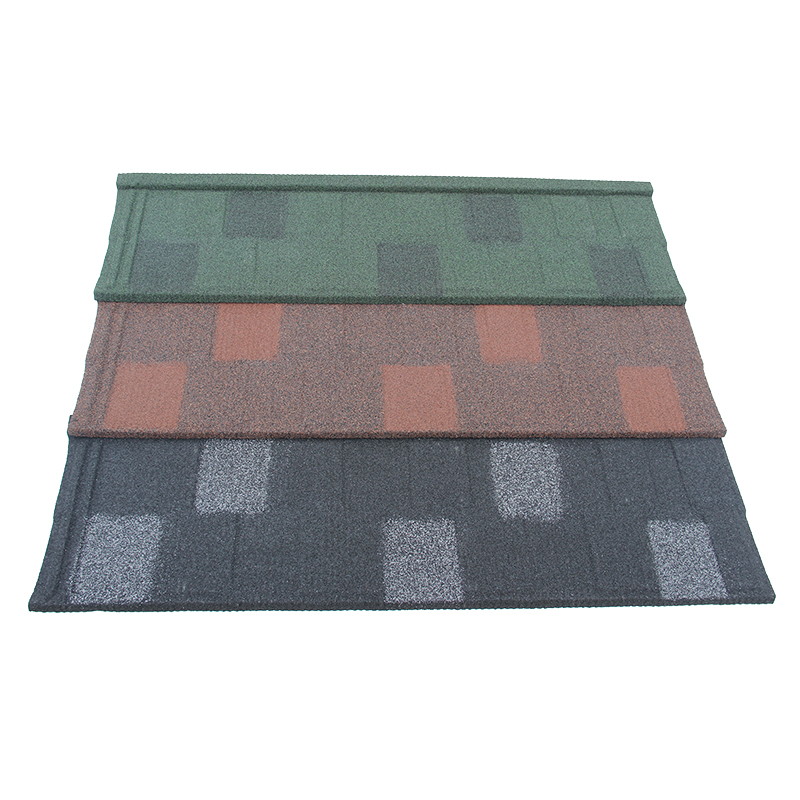
Use specific product references when describing the range. If you are considering Milano Tile, identify that profile throughout your inquiry. Ask each candidate to state its proposed equivalent clearly.
If Shingle Tile is also relevant, keep it as a separate line in the brief. Compare the supporting information for each profile. A similar appearance does not establish an equivalent product.
Avoid relying on names alone across different suppliers. Product naming conventions can differ between businesses. Request drawings or reference information to explain what each candidate proposes.
Set boundaries for the first screening
Decide what you need to learn before requesting samples or arranging visits. Early screening should establish identity, production relevance, and communication fit. Detailed product acceptance comes later.
State the conditions that would pause a candidate. Examples include unexplained company details or an inability to identify the proposed production site. Apply those conditions consistently across the list.
Build a Longlist From Several Discovery Channels

Use search results to discover candidates
Search for the product category and manufacturing relationship you need. Review manufacturer websites, relevant business directories, and supplier marketplace profiles. Record the channel through which each business was found.
Search visibility does not establish manufacturing ownership or order suitability. A website can provide useful product information without resolving the supply relationship. Keep discovery separate from verification.
Save the candidate’s website and initial contact details. Record the date and the product information that attracted your attention. This helps your team understand why the business entered the longlist.
Compare channels without counting duplicate businesses
The same supplier may appear under several brands or sales profiles. Similar names may also belong to unrelated businesses. Request original-language identity details before treating entries as separate candidates.
Create one candidate record per identified business relationship. Link alternative websites and sales profiles to that record. This prevents an apparently diverse longlist from containing several versions of the same source.
Do not assume a marketplace badge answers every verification question. Review what the platform actually checked and when. Your intended product and contracting arrangement still need confirmation.
Use exhibitions and referrals carefully
Trade contacts and referrals can introduce relevant manufacturers. Ask what the referring party actually knows about the business. A previous meeting is different from a completed supply relationship.
For exhibition contacts, record the business name shown at the meeting. Connect it with subsequent quotations and company information. Follow up when another entity becomes the proposed seller.
Use referrals to improve discovery, not to bypass screening. Every candidate should answer the same essential questions. A consistent process helps avoid preferences based only on familiarity.
Screen Candidates Through One Comparable Request
Send a structured introduction request
Explain your buying brief and ask for a concise response. Request company identity, production-site information, and the proposed product references. Ask who will handle technical clarification.
Keep the request narrow enough for meaningful answers. A large generic questionnaire can create paperwork without revealing relevant capabilities. Start with questions that determine whether deeper evaluation is worthwhile.
Ask candidates to identify missing information. A useful response may explain that a requirement needs further confirmation. That is more actionable than an unexplained promise covering every request.
Use a common screening matrix
Record responses against the same criteria. Keep observations separate from your conclusions. Another reviewer should be able to follow the reason a candidate advances.
| Screening criterion | Information requested | Reason to investigate further |
|---|---|---|
| Business identity | Legal name and proposed seller | Names differ without explanation |
| Manufacturing relevance | Production site and relevant activities | Only unrelated production is shown |
| Product alignment | Named profile and current reference | Proposed item remains ambiguous |
| Technical communication | Responsible contact and clarification route | Answers lack a clear owner |
| Document coordination | Applicable files and revision references | Documents cannot be matched to products |
| Order support | Approval and escalation responsibilities | Important tasks remain unassigned |
Do not convert every unanswered field into immediate rejection. Some questions require clarification. Record whether the gap is minor, material, or unresolved after follow-up.
Use the same clarification example
Choose one question from the proposed roofing range. Ask candidates how they would confirm its current product reference. Request the relevant document and the role responsible for its approval.
This creates a practical comparison of communication quality. Look for answers that remain consistent across the quotation and supporting information. Avoid rewarding a fast response that does not address the question.
When reviewing JCROOF, place the manufacturing information within this same screening matrix. Confirm the scope relevant to your planned order. Use the identical criteria applied to other candidates.
Reduce the List Through Evidence and Operating Fit

Separate essential checks from comparative preferences
Use essential conditions as approval gates. An unexplained seller identity should remain unresolved regardless of an attractive presentation. Product relevance should be established before comparing service preferences.
After those gates, compare the factors that affect your working relationship. These may include document clarity, communication organization, and technical coordination. Explain how each factor relates to your purchasing operation.
Keep the evaluation proportionate to the decision. A preliminary shortlist does not require every document needed for final approval. It should, however, show which checks remain necessary.
Avoid ranking candidates through incomparable claims
Manufacturers may describe capacity using different products, time periods, or operating assumptions. Those claims cannot be ranked without understanding their basis. At the shortlist stage, ask whether the proposed production route is relevant.
Likewise, export-market lists do not prove suitability for your destination. Ask what documentation applies to the selected product. Leave detailed market acceptance to the appropriate technical review.
Do not assign extra credit for unsupported warranty periods or broad performance statements. Record those claims for later evidence review. A transparent limitation can be more useful than a number without context.
Keep a written reason for every decision
Use outcomes such as advance, clarify, or pause. Add the specific reason and supporting record. Avoid judgments based only on whether a presentation looks professional.
For a paused candidate, identify what would allow reconsideration. For an advancing candidate, list the next checks. This makes the shortlist an operational tool rather than a collection of contact names.
Choose a list size your team can review properly. More candidates create value only if you can compare their responses. An unmanageable longlist often leads to inconsistent follow-up.
Hand Over a Shortlist That Supports the Next Decision
Define the deeper evaluation plan
For each shortlisted supplier, identify the next unresolved question. Decide whether it needs a document review, sample discussion, independent check, or factory visit. Match the method to the question.
A factory visit can clarify operations. It does not replace product-specific document review. Samples can support a product discussion, but they do not establish the seller’s legal identity.
Agree who will review each result. Technical, purchasing, and finance teams may have different approval responsibilities. Bring their requirements together before requesting repeated information from suppliers.
Keep the sourcing record organized
Create a folder for each candidate. Retain the initial brief, responses, clarification history, and current evaluation summary. Use clear file names and dates.
Record changes to the purchasing brief across the whole shortlist. If one candidate receives new information, determine whether the others need it too. This preserves a comparable basis for the decision.
Avoid treating old quotations or presentations as current confirmation. Ask for an update when the proposed seller, product, or production arrangement changes. Keep the previous version for reference.
Prepare the final shortlist summary
The handover should answer a short set of practical questions:
- Which business and production site does each candidate propose?
- Which roofing profiles have been clearly identified?
- Which essential conditions remain unresolved?
- What evidence supports advancing each candidate?
- Who owns the next evaluation step?
Add a short explanation of the sourcing channels used. Note where independent verification remains incomplete. This prevents discovery work from being mistaken for completed supplier approval.
Move from discovery to a controlled comparison
A useful shortlist contains businesses that can be compared against the same brief. It makes uncertainty visible and assigns the next checks. It should help your team decide where to spend further evaluation effort.
The result is a clearer starting point for sourcing discussions. You can ask better questions, compare relevant evidence, and avoid repeating the same introductory work. Final supplier approval then rests on documented evaluation rather than search visibility alone.